17 November 2026
Choosing the Right Evening Desert Safari in Dubai
Presented by @eveningdesertsafaridubaizone
Dubai's desert landscape transforms as the sun goes down, and an evening desert safari offers a way to experience that change without spending a full day in the heat. With a range of packages available, picking the right one can feel overwhelming. The key is to focus on what matters most to you, from the type of dune driving to the evening entertainment.
This guide breaks down the main considerations so you can match an option to your preferences, budget, and travel style. Each step helps you narrow down the choices and avoid surprises on the day.
Step 1: Decide on the vehicle and dune experience
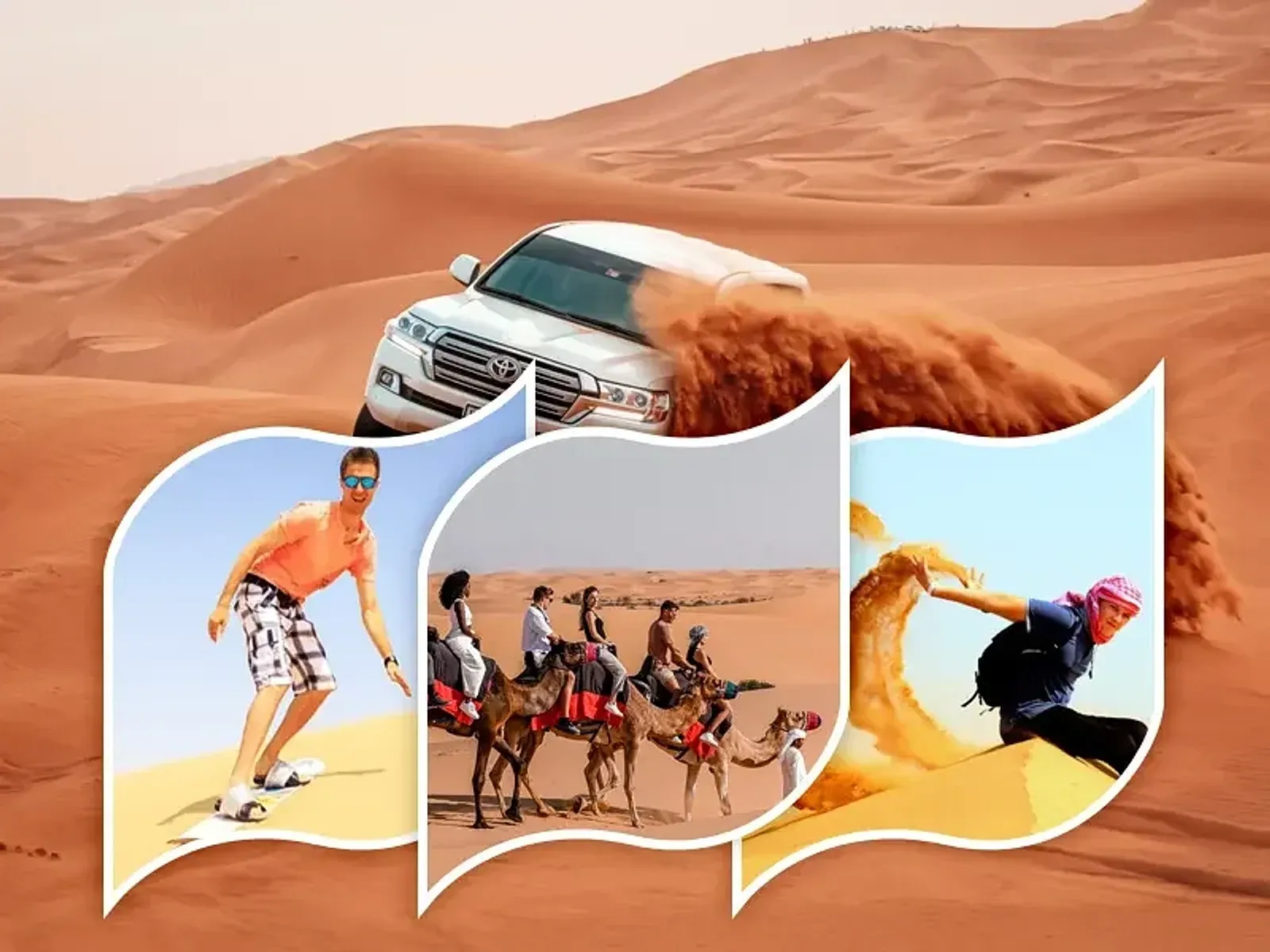
The most defining part of any desert trip is the ride through the sand. Most packages include dune bashing, where a driver takes a 4x4 over the dunes at controlled speeds. For some visitors, this is the highlight. For others, it can feel too intense. If you or someone in your group has a sensitive stomach or back, look for a tour that offers a gentler ride or a separate route that skips the steep climbs and descents. Some operators also let you ride in the front seat, which can feel less jarring than the back. If you prefer a quieter start, consider a package that starts with a camel ride or a short walk before the bashing begins. The vehicle type also matters. Standard jeeps are common, but some tours use larger SUVs that offer more space. If you are travelling with a family or a group, check the seating capacity before booking.
Step 2: Look at the timing and sunset photography
The schedule of the safari affects everything you see. Most evening trips pick you up in the late afternoon, drive to the desert, and arrive in time for sunset. This window is prime for sunset photography, so if capturing the colours of the desert is important, confirm that the tour allows enough time at the dunes for photos. Some packages rush from the bashing straight to the camp. Others give you twenty or thirty minutes to walk the sand and take pictures. If photography matters to you, choose a tour that explicitly mentions a sunset stop. The light changes fast, so having a few extra minutes can make a big difference. Also, consider the time of year. In winter, the sun sets earlier, and the evening stays cooler. In summer, the heat lasts longer into the evening, so a later start can be more comfortable. The timing also affects the length of the whole experience. Some tours last four hours, others closer to seven. Check the return time to see if it fits your evening plans.
Step 3: Check the camp and entertainment options
After the dune drive, the evening moves to a desert camp. The quality and atmosphere of the camp vary widely. Some camps are large and busy, with multiple tour groups arriving at once. Others are smaller and feel more private. The entertainment typically includes a belly dance show, a tanoura dance, and sometimes a fire show. If you have seen these performances before, you might prefer a camp that offers something different, like a falconry display. Falconry is a traditional practice in the region, and watching a trained falcon fly close overhead adds a cultural element to the evening. Henna painting is also common at many camps. If you are interested in getting a henna design, check whether it is included in the price or offered as an extra. Similarly, sheesha smoking is available at some camps, often in a designated lounge area. If that is something you or your group enjoys, look for a package that mentions it. The camp setup also matters for comfort. Cushioned seating, mats on the sand, and clean restroom facilities make the evening more pleasant. Some camps have open sides that let you feel the desert breeze, while others are enclosed. If you are visiting in cooler months, an open camp can be lovely. In summer, air-conditioned seating is a relief.
Step 4: Consider the food and dining style
A barbecue dinner is a standard part of most evening desert safari dubai packages, but the style and quality vary. Some camps serve a buffet with multiple dishes, including grilled meats, salads, rice, and desserts. Others offer a set menu. If you have dietary restrictions, it is worth checking in advance. Most operators can accommodate vegetarian or gluten-free requests if you notify them ahead of time. The dining setup also matters. Some tours seat you at shared tables with other guests. Others provide private tables for your group. If you are celebrating a special occasion, you might want a more intimate setting. The timing of the meal also affects the flow of the evening. In some tours, dinner is served soon after arrival at the camp. In others, it comes after the entertainment. If you are hungry after the dune drive, a tour that serves food early may be a better fit. Also, consider the beverages. Water, tea, and coffee are usually included. Soft drinks and juices may be available, but alcohol is generally not served at desert camps. If that matters to you, confirm the policy before booking.
Step 5: Evaluate the group size and privacy
Desert safaris can be shared or private. Shared tours are more common and more affordable. You join a group of strangers, and the itinerary is fixed. Private tours cost more but give you control over the schedule, the vehicle, and the camp experience. If you are travelling with a family or a group of friends, a private tour can feel more relaxed. You can linger at a photography stop, skip a part of the entertainment, or customise the dinner timing. For solo travellers or couples, a shared tour is often fine and can be a good way to meet people. The key is to know which type you are booking. Some operators advertise a "private" tour but still combine groups at the camp. Ask directly whether the camp area is shared or reserved for your group alone. The vehicle capacity also affects the group size. A standard jeep holds six passengers plus the driver. A larger SUV may hold up to eight. If you prefer more personal space, a private vehicle with fewer people is worth the extra cost.
Step 6: Read the fine print on inclusions and exclusions
Before you confirm a booking, look at what is included and what costs extra. Many tours list a base price that covers transport, dune bashing, the camp visit, dinner, and entertainment. But some add-ons are common. Quad biking, for example, is often sold separately. Sandboarding may be free or have a fee. Henna painting and sheesha are sometimes included, sometimes not. Check whether pick-up and drop-off are from your hotel or a central meeting point. Some tours charge extra for pick-up from areas outside the main city. Also, look at the cancellation and refund policy. Desert tours can be affected by weather, especially during sandstorms. A good operator will reschedule or refund if conditions are unsafe. If you are booking online, read reviews that mention the actual experience, not just the marketing. Look for comments about the driver's skill, the cleanliness of the camp, and the quality of the food. These details tell you more than the package description.
Step 7: Think about your comfort and preparation
The desert environment is dry and sandy. Even in the evening, the temperature can drop quickly after sunset, especially in winter. Bring a light jacket or a scarf. Closed-toe shoes are better than sandals for walking on the dunes. Sunglasses and a hat help during the sunset stop. If you wear contact lenses, bring eye drops because the dry air and sand can irritate your eyes. Sunscreen is still a good idea even late in the day. The UV exposure can be strong, especially if you are out during the golden hour. Also, stay hydrated. Most tours provide water, but carrying your own bottle is wise. If you are prone to motion sickness, take a preventative before the dune bashing starts. The ride can be bumpy, and the combination of heat and movement can cause discomfort. A small snack before the tour can also help, as dinner may be served a few hours after pick-up.
Step 8: Align your choice with your overall trip
Consider how the safari fits into your broader itinerary. If you have a late flight or an early morning activity the next day, choose a tour that returns at a reasonable hour. Some evening safaris drop you back around 9 pm, others closer to 11 pm. If you want a relaxed evening after a day of sightseeing, a shorter tour might be better. If the desert experience is a highlight of your trip, a longer tour with more activities could be worth the time. Also, think about the group dynamic. If you are travelling with young children, check the minimum age for dune bashing. Some operators allow children from age four, others from six. For older travellers, a tour that includes a camel ride and a gentle dune drive may be more suitable. The best choice is the one that matches your energy level, your interests, and your schedule.

Step 9: Book through a reputable operator
Once you have identified your preferences, look for a tour operator with clear communication and good reviews. A reputable company will answer questions about the vehicle, the camp, and the itinerary. They will also provide a clear pick-up time and contact number. Avoid operators that are vague about the schedule or that change the itinerary on the day. A well-organised tour runs smoothly from pick-up to drop-off. The driver should be experienced and licensed, and the camp staff should be professional. When you find a tour that meets your criteria, book directly if possible. This often gives you better customer service and clearer terms. The right evening desert safari dubai for you is the one that matches your priorities, whether that is the thrill of the dunes, the beauty of the sunset, the entertainment, or the comfort of the camp. By following these steps, you can choose confidently and enjoy the evening without surprises.